Understanding diagnostic test results is crucial for UK healthcare navigation. Translation services bridge communication gaps in multicultural societies, ensuring accurate interpretations of medical results. These services empower patients, enhance patient safety, satisfaction, and informed decision-making, promoting inclusivity and better healthcare outcomes. Employing skilled translators with medical expertise ensures accuracy, clarity, and consistency in translating complex diagnostic test results for diverse UK populations.
Are you prepared to navigate the complexities of translating diagnostic test results for UK healthcare? Effective communication is paramount, but language barriers pose significant risks. This comprehensive guide explores the crucial role of translation services in ensuring patient safety and accurate diagnoses. From understanding medical jargon to selecting reputable providers, we cover best practices, legal considerations, and technological advancements. Discover how seamless translations can revolutionize healthcare delivery in the UK.
- Understanding Diagnostic Test Results in the UK
- The Role of Translation Services in Healthcare
- Navigating Language Barriers in Medical Settings
- Ensuring Accurate Communication for Patient Safety
- Common Challenges in Translating Medical Reports
- Best Practices for Effective Diagnostic Report Translation
- Choosing the Right Translation Service Provider
- Legal and Ethical Considerations in UK Healthcare
- Technological Advancements in Medical Translation
- Case Studies: Successful Translations in UK Healthcare
Understanding Diagnostic Test Results in the UK
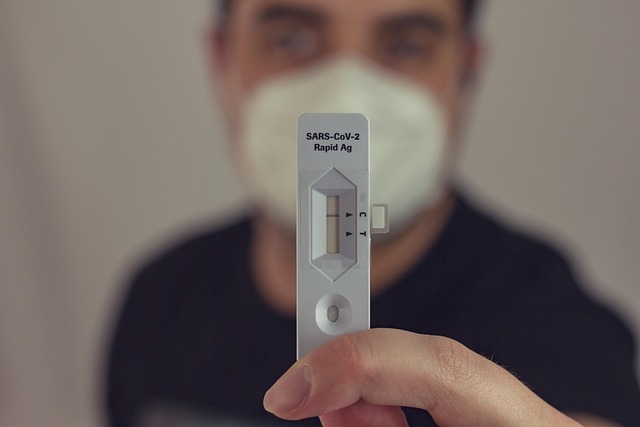
Understanding your diagnostic test results is crucial when it comes to navigating the UK healthcare system. With a wide range of tests available, from blood work to imaging scans, interpreting the findings can be complex and overwhelming for many patients. Fortunately, professional translation services are readily available to bridge this communication gap, especially in an increasingly multicultural society.
These translation services play a vital role in ensuring that all UK residents, regardless of their background, can comprehend their test results accurately. They provide clear and concise interpretations, enabling individuals to make informed decisions about their health and treatment options. By offering specialized medical translation, these services facilitate effective communication between healthcare providers, patients, and their families or caregivers, fostering a more inclusive and accessible healthcare environment in the UK.
The Role of Translation Services in Healthcare

In the dynamic landscape of healthcare, accurate and timely communication is paramount, especially when dealing with sensitive diagnostic test results. This is where translation services play a pivotal role in the UK healthcare sector. With an increasingly diverse patient population, the need for professional translation has become indispensable. Translation services ensure that critical information from diagnostic tests, whether it’s lab reports, medical images, or patient instructions, is conveyed effectively and precisely to patients and healthcare providers alike.
By bridging the language gap, these services enhance patient safety and satisfaction. Accurate translations enable doctors and specialists to make informed decisions based on complete data, leading to more effective treatment plans. In the context of diagnostic test results in the UK, translation services are not just tools; they are game-changers that foster inclusivity, improve accessibility, and ultimately, contribute to better healthcare outcomes.
Navigating Language Barriers in Medical Settings

Navigating language barriers in medical settings is a critical aspect of ensuring accurate diagnosis and effective treatment in the UK healthcare system. When patients from diverse linguistic backgrounds receive diagnostic test results, professional translation services become indispensable. Accurate translation of medical documents ensures that patients fully understand their test outcomes, enabling them to make informed decisions about their health.
Translation services for diagnostic test results in the UK play a vital role in bridging this gap. These services employ qualified linguists who specialize in medical terminology, ensuring precise and culturally sensitive translations. By providing instant access to clear interpretations of complex medical information, they empower patients to actively participate in their healthcare journeys, fostering better communication between patients and healthcare professionals.
Ensuring Accurate Communication for Patient Safety

Effective communication is paramount in healthcare, especially when conveying diagnostic test results. In the UK, where a diverse range of languages is spoken, ensuring clear and accurate translation services for diagnostic test results is crucial for patient safety. Misinterpretations or errors in translation can lead to serious consequences, including incorrect treatment plans and delayed care.
Therefore, healthcare providers should rely on professional translation services that specialise in medical terminology to bridge the language gap. These services employ skilled translators who are well-versed in both the source and target languages, guaranteeing precise translations that maintain the integrity of the original information. This meticulous approach ensures patients receive clear, understandable results, fostering trust and empowering them to make informed decisions about their health.
Common Challenges in Translating Medical Reports
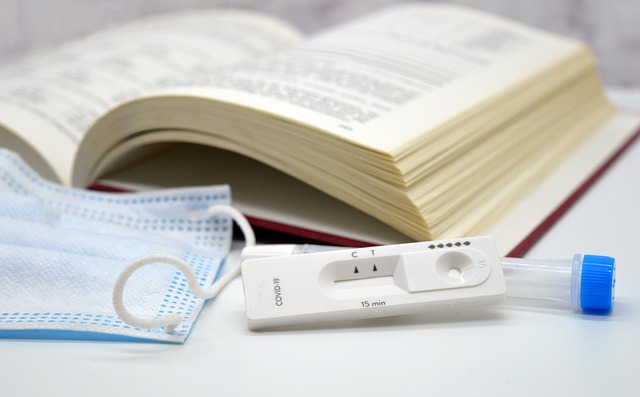
Translating medical reports, especially diagnostic test results, presents a unique set of challenges due to the highly specialised nature of healthcare terminology and the need for precise communication. One of the primary hurdles is ensuring accuracy while navigating complex medical jargon and technical terms. Different languages have distinct ways of expressing medical concepts, and professional translators must possess an in-depth understanding of both the source and target languages to convey the information correctly.
Furthermore, maintaining clarity and conciseness is crucial. Medical reports often contain intricate details, and a skilled translator must be adept at summarising without losing critical data. Cultural nuances also play a significant role; what seems clear in one language might require a different approach in another to avoid misinterpretation. Translation services for diagnostic test results in the UK need to employ experienced linguists who can handle these intricacies to guarantee that healthcare providers and patients receive precise and reliable information.
Best Practices for Effective Diagnostic Report Translation
When translating diagnostic test results for UK healthcare, accuracy and clarity are paramount. Start by ensuring that only qualified, experienced translators with medical expertise handle such sensitive documents. This reduces the risk of misinterpretation, especially when dealing with complex terminology.
Next, maintain a consistent style and tone throughout the translation to avoid ambiguity. Utilise professional medical language and adhere to local guidelines and formatting standards. Lastly, employ translation memory tools to maintain consistency across multiple projects and validate the quality of the translated reports. This ensures that “translation services for Diagnostic Test Results UK” meet the highest standards of accuracy and reliability.
Choosing the Right Translation Service Provider

When it comes to translating diagnostic test results for UK healthcare, selecting a reputable and specialized translation service provider is paramount. Look for companies that have extensive experience in handling medical documentation to ensure accuracy and consistency. The right service should employ linguists with strong clinical backgrounds who understand medical terminology inside out. This expertise guarantees precise translations that meet the stringent requirements of the UK healthcare sector.
Additionally, consider providers offering secure and confidential translation services, especially when dealing with sensitive patient data. Reputable companies will have robust security measures in place to protect your information. Moreover, opt for those that can deliver rapid turnaround times without compromising quality, ensuring your test results are ready promptly for integration into the UK healthcare system.
Legal and Ethical Considerations in UK Healthcare
In the UK healthcare sector, the translation of diagnostic test results plays a pivotal role in ensuring effective communication and patient care, especially with an increasing diverse patient population. When translating these sensitive documents, legal and ethical considerations come into play, underscoring the importance of precision and cultural awareness. The General Data Protection Regulation (GDPR) sets the framework for data protection across Europe, impacting how healthcare providers handle and share patient information, including translated test results.
Ethical guidelines, such as those provided by professional bodies like the British Medical Association, guide translators on maintaining patient confidentiality, obtaining informed consent where necessary, and ensuring cultural sensitivity in language choices. This is particularly crucial when dealing with medical terms to avoid misinterpretation or miscommunication that could impact diagnosis and treatment. Translation services for diagnostic test results in UK healthcare must adhere to these regulations and guidelines to provide accurate, legally compliant, and ethically sound interpretations.
Technological Advancements in Medical Translation
The field of medical translation has witnessed a remarkable evolution due to technological advancements, revolutionizing how healthcare professionals communicate and interpret diagnostic test results in the UK. Traditional methods have been supplemented by sophisticated tools that enhance accuracy and efficiency. Machine translation software, for instance, can rapidly process vast amounts of medical data, making it an invaluable asset for healthcare providers. These systems leverage artificial intelligence to analyze complex terminology and syntax, ensuring more precise translations compared to manual methods.
Moreover, the integration of machine learning algorithms allows these tools to adapt and improve over time. They can learn from large datasets, including clinical trials and research papers, thereby refining their understanding of medical jargon and context-specific nuances. This advancement is particularly beneficial for translating diagnostic reports, which often contain specialized terminology and require precise communication to ensure effective patient care and treatment decisions in the UK healthcare system.
Case Studies: Successful Translations in UK Healthcare
In the realm of UK healthcare, accurate and timely translation services for diagnostic test results have become increasingly vital. Case studies illustrate successful implementations where professional translators played a crucial role in enhancing patient care. For instance, a leading London hospital experienced improved communication when translating rare disease diagnoses from European medical literature, ensuring patients received clear explanations tailored to their cultural backgrounds.
Another notable example involves a healthcare provider specializing in genetic testing. By leveraging translation services for diagnostic reports, they successfully expanded their services to a diverse patient population, demonstrating the positive impact of precise and culturally sensitive translations on access to quality healthcare. These cases highlight how translation services for diagnostic test results UK can foster inclusivity and improve overall patient outcomes.
In conclusion, navigating the complexities of diagnostic test results in the UK healthcare sector demands meticulous attention to detail and precise communication. By understanding the nuances of medical terminology and cultural contexts, translation services play a pivotal role in bridging language barriers. Choosing the right provider who adheres to legal and ethical guidelines is essential for ensuring patient safety and effective care. Leveraging technological advancements further streamlines this process, as demonstrated by successful case studies in UK healthcare settings, ultimately enhancing overall patient outcomes.